A simple recipe for making kombucha
- What are SCOBY and fermentation?
- Required ingredients and equipment
- Step-by-step recipe
- How to tell fermentation is successful
- Tips for better kombucha
- Conclusion
What are SCOBY and fermentation?
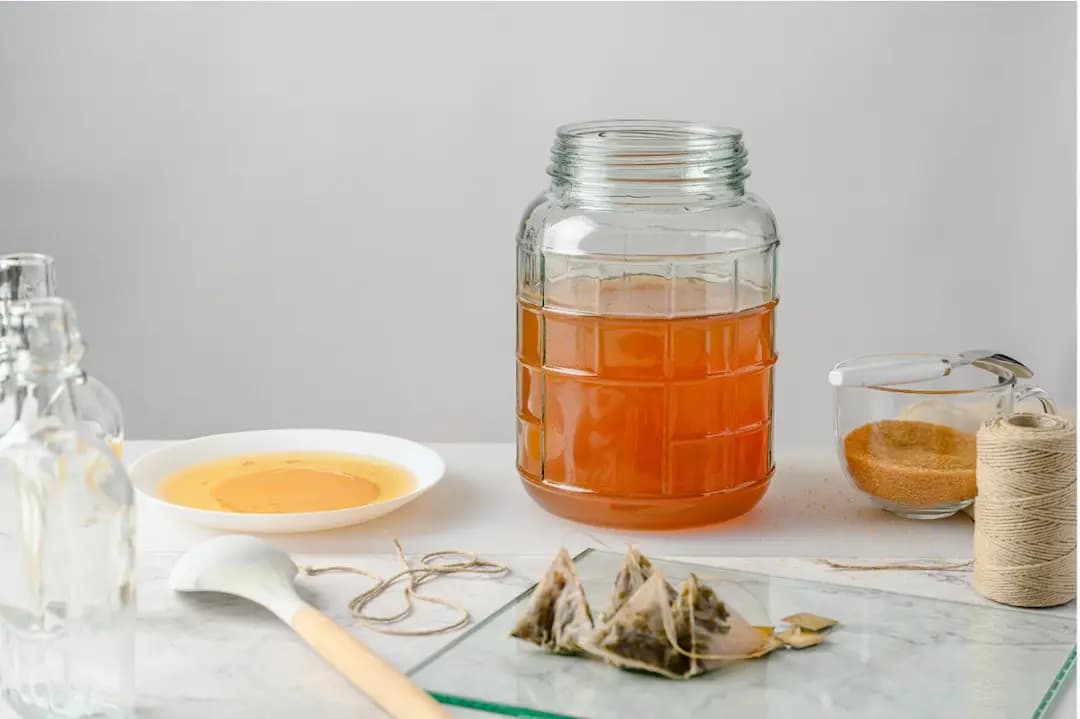
SCOBY is a symbiotic culture of bacteria and yeast that drives the fermentation of sweetened tea. During the process, sugar is gradually transformed into acids and kombucha develops its characteristic tang and gentle carbonation.
Required ingredients and equipment
- Tea: black, green or white, ideally without flavor additives.
- Sugar: white granulated sugar or white cane sugar, because fermentation needs it.
- A SCOBY culture and starter liquid.
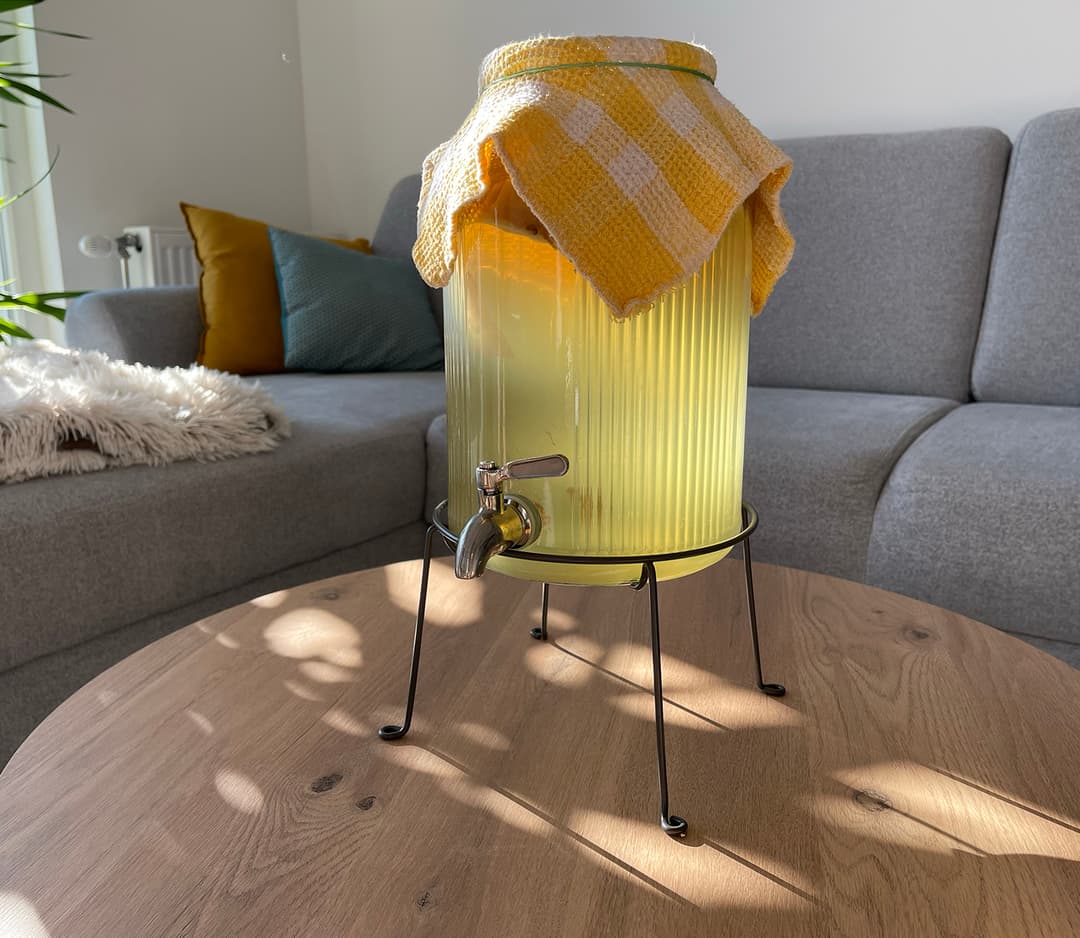
- A larger glass jar, for example 3 to 5 liters.
- A cotton cover or cloth and a rubber band for the jar.
If you are just getting started, the easiest path is to begin with a reliable SCOBY and starter liquid. Get a SCOBY culture from our shop
Step-by-step recipe
- Prepare 1 liter of sweetened tea with about 4 g of tea and 60 g of sugar.
- Let the tea cool to room temperature before adding the culture.
- Pour the tea, SCOBY and starter liquid into a glass jar.
- Cover the jar with a cloth and secure it with a rubber band.
- Ferment for 7 to 10 days at room temperature, ideally around 21 to 24°C.
For a more detailed guide with photos, you can also use the dedicated basic preparation article.
How to tell fermentation is successful
Watching fermentation is important if you want stable flavor and a reliable result. A few signals usually show that the batch is moving in the right direction.
Good signs during fermentation- The SCOBY gradually spreads and becomes thicker
- The liquid becomes less transparent than it was at the start
- Small bubbles appear and rise toward the surface
- The drink shifts from a darker tone toward a lighter one
- The new SCOBY layer looks compact and even
- After a few days, a mild tangy smell appears
Room temperature, season and ingredient quality all influence the result, so every batch will be slightly different. With practice, it becomes easier to judge the exact moment when the flavor matches your preference.
If you want more fizz or extra flavor, the next step is a second fermentation in bottles.
Tips for better kombucha
Basic preparation tips- Keep equipment clean and maintain good hygiene
- Start with smaller batches while learning the process
- A cotton cover usually gives better airflow than a sealed lid
- Label jars with the fermentation start date
- In summer, fermentation usually finishes faster
- In winter, keep the jar in a warmer spot and expect a longer process
- In spring and autumn, the standard 5 to 10 day range often works well
- Use fruit and additions that match the season and the flavor you want
- A water filter can help if your tap water is strongly chlorinated
- You can prepare a larger base tea batch in advance and keep it briefly refrigerated
- Litmus paper helps if you want to track pH more precisely
- For second fermentation, use glass bottles with a secure closure
- Keep bottles upright during the second fermentation stage
Conclusion
Kombucha can be made very successfully at home when you start with the right setup and keep the process disciplined. Once you master the basics, it becomes easy to adapt flavor, timing and extra aromas to the way you like to brew.
If you want more information about kombucha, equipment and products, explore the rest of the site.